
When it comes to towing, safety is everything. Your trailer or caravan’s braking system is one of the most critical components, and at the heart of that system are the brake shoes. They might be small, but they play a huge role in keeping you, your load, and other road users safe.
In this post, we’ll explain what trailer and caravan brake shoes do, when to replace them, and answer some common questions to help keep your towing setup roadworthy.
What Are Brake Shoes?
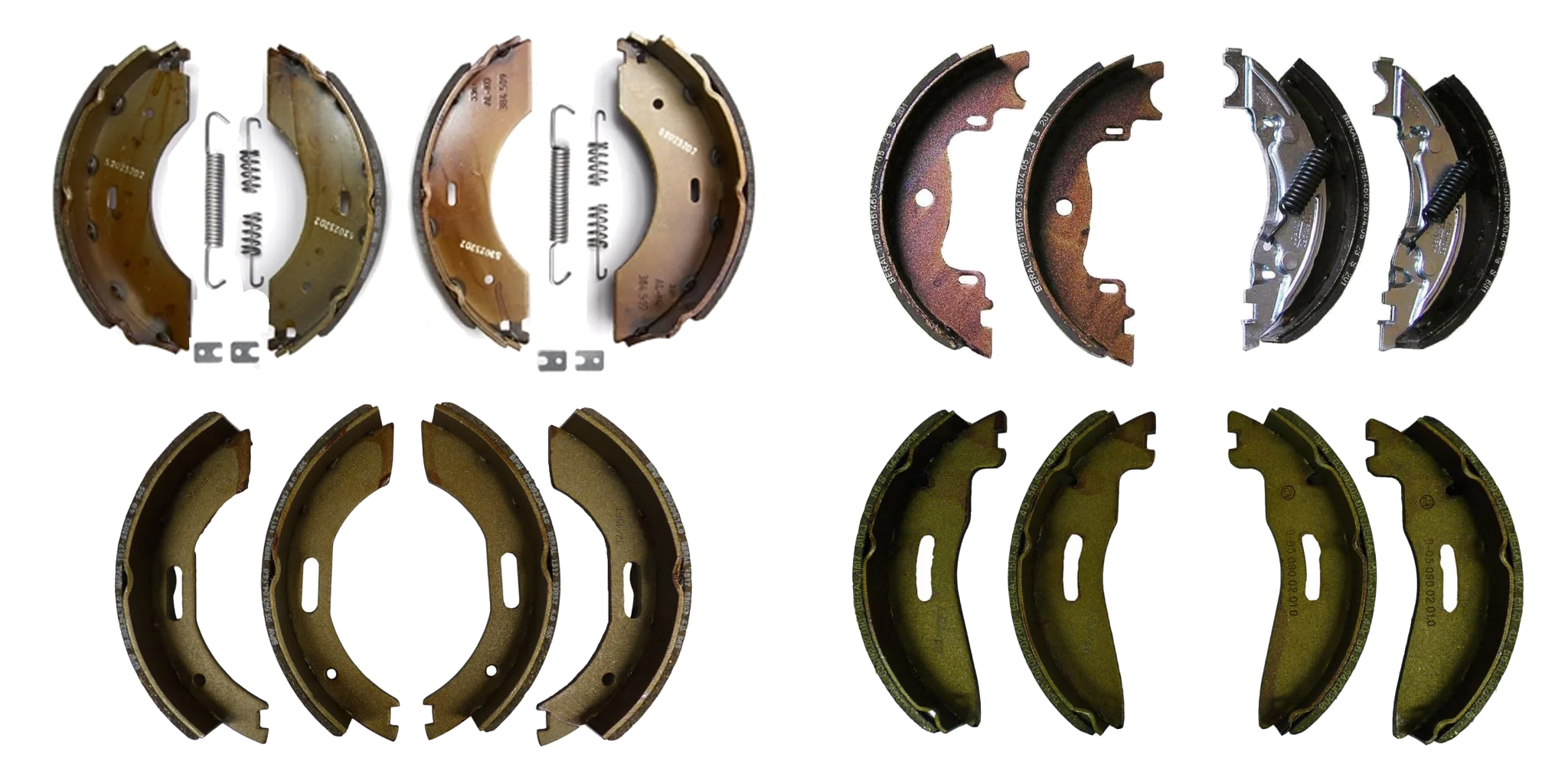
Brake shoes are curved friction components that press against the inside of a brake drum to slow or stop your trailer. Over time, the friction material wears down, reducing braking efficiency and increasing stopping distances.
For caravans and trailers fitted with drum brakes, keeping brake shoes in good condition is essential for safety and legal compliance.
Signs Your Brake Shoes Need Replacing
Like car brake pads, brake shoes wear gradually. Here are common warning signs:
-
Reduced braking performance – your trailer takes longer to stop.
-
Grinding or squealing noises – worn friction lining rubbing against metal.
-
Uneven braking – pulling to one side or instability when stopping.
-
Visual wear – thin or damaged brake lining when inspected.
Choosing the Right Brake Shoes
Not all brake shoes are the same—your choice depends on your trailer or caravan’s braking system.
-
Check compatibility with your hub or axle brand (e.g. Ifor Williams, Knott, AL-KO).
-
Match size & specifications carefully.
-
Buy in axle sets – brake shoes should always be replaced in pairs for balanced braking.
Maintaining Brake Shoes
-
Inspect them at least once a year (more often if towing frequently).
-
Clean out brake dust and debris from drums.
-
Replace springs and fitting kits at the same time for best performance.
-
Don’t ignore early warning signs—faulty brakes can be dangerous and costly.
FAQs: Trailer & Caravan Brake Shoes
Q1. How long do trailer or caravan brake shoes last?
It depends on mileage and load, but typically anywhere between 10,000–20,000 miles. Always inspect annually regardless of mileage.
Q2. Can I fit brake shoes myself?
If you’re confident with mechanical work, you can. However, because brakes are safety-critical, many owners prefer professional fitting.
Q3. Should I replace brake shoes on both wheels?
Yes—always replace in axle sets (both sides) to maintain even braking.
Q4. Are trailer brake shoes the same as car brake shoes?
No—they’re specifically designed for trailer and caravan drum brake systems, and must match your axle manufacturer’s specifications.
Q5. How do I know what size brake shoes I need?
Check your trailer’s manual, measure the drum, or look for markings on your existing brake shoes. Alternatively, contact your supplier with the trailer’s make and model.
Final Thoughts
Your trailer and caravan brake shoes are vital for towing safety. Regular checks and timely replacement will keep your journeys smooth, legal, and safe. Whether you’re planning a holiday or transporting heavy loads, never overlook the condition of your braking system.